Auto Insurance Rates Will Not Raise Due To A Hail Claim
State Laws Protect You from Rate Increases After Weather-Related Claims
One of the key reasons you don’t have to worry about your auto insurance premiums spiking after a hail storm is due to state laws designed to protect consumers.
In many states, laws exist that prevent insurance companies from raising your rates after you file a claim for damages caused by natural disasters, such as hail storms, floods, and wildfires. These laws are meant to ensure that drivers aren’t penalized for circumstances out of their control.
1. State Laws Protect You from Rate Increases After Weather-Related Claims
One of the key reasons you don’t have to worry about your auto insurance premiums spiking after a hail storm is due to state laws designed to protect consumers.
In many states, laws exist that prevent insurance companies from raising your rates after you file a claim for damages caused by natural disasters, such as hail storms, floods, and wildfires. These laws are meant to ensure that drivers aren’t penalized for circumstances out of their control. For example, in states like
Texas
and
Colorado (Colorado law, specifically C.R.S. §10-4-628(1)(a),
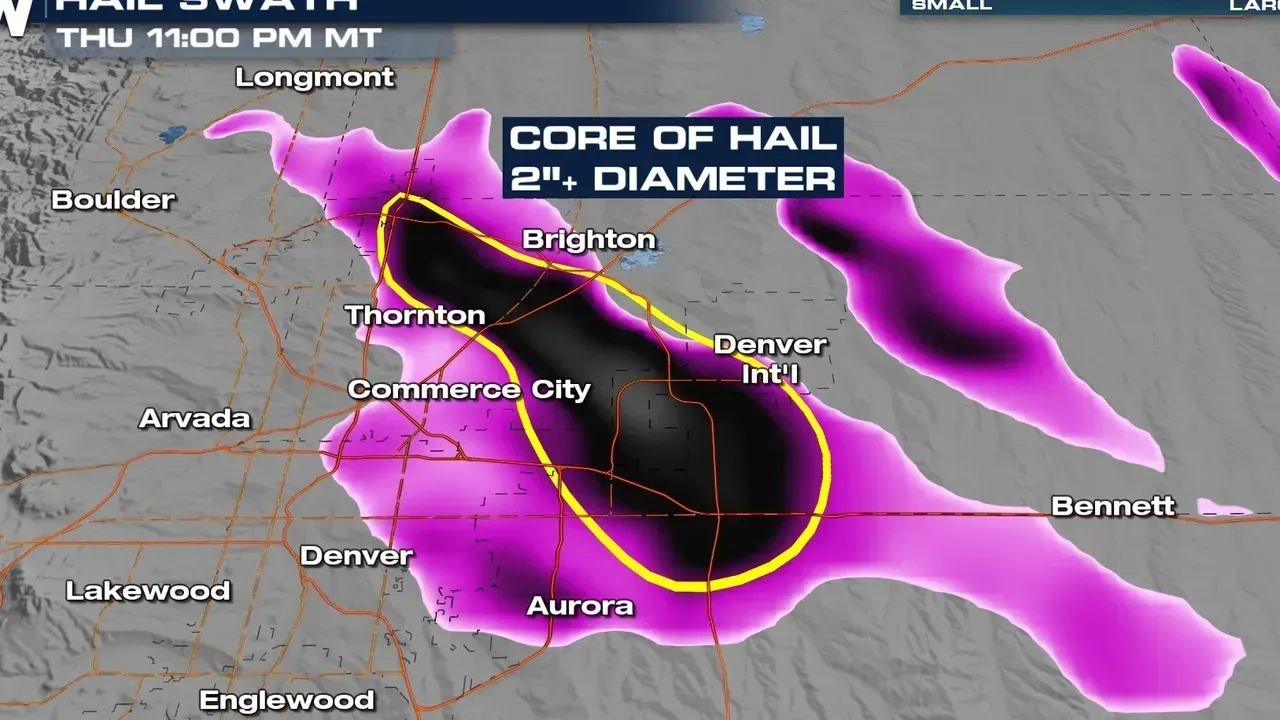
https://codes.findlaw.com/co/title-10-insurance/co-rev-st-sect-10-4-628.html which are no strangers to severe hail storms, insurance companies are prohibited from increasing rates for claims related to weather events. This policy is especially important for drivers who live in areas prone to hail, so they don’t face financial setbacks every time Mother Nature sends a storm their way.
2. Hail Damage is Not Your Fault
Insurance is designed to protect you from things that are out of your control—such as hail storms. Because hail damage is considered an act of nature, it typically falls under your comprehensive coverage, which generally doesn't affect your rates the same way a collision claim might.
If you were to get into an accident and file a claim due to your own fault (like running a red light), the insurer might consider that an incident that could raise your premiums. However, hail damage isn’t something you caused or could have avoided. Insurance companies know this, and as a result, they are restricted from penalizing you for filing a claim for hail-related damage.
3. Comprehensive Coverage: The Key to Protection
If you live in an area that frequently experiences hail storms, your comprehensive coverage is the essential part of your insurance policy that’ll protect your vehicle from such events. While this coverage isn’t mandatory like liability insurance, it’s well worth considering in areas with high hail risks.
When you file a claim under comprehensive coverage for hail damage, you’re essentially asking your insurance company to cover the repair costs. Since the damage wasn’t caused by a crash or your own negligence, the insurer generally can’t raise your rates. The only exceptions might be if you file multiple claims in a short time frame or if your overall risk profile changes (e.g., you’re involved in several incidents or your location becomes a higher-risk zone for weather-related events).
4. What Happens if Your Rates Do Go Up?
While the law generally protects you from premium increases after a hail-related claim, that doesn’t mean insurance companies won’t find other ways to raise rates in the future. If your car insurance provider has to pay out a significant number of claims related to hail damage, they may raise premiums across the board for all customers to offset their losses. This increase wouldn’t be directly tied to your specific claim but would instead be part of a broader market adjustment.
If you do find that your rates have risen due to overall weather-related losses in your area, it’s still worth reviewing your options. Shopping around for other insurers or exploring coverage adjustments might help you find more affordable rates.
5. How to Handle Your Claim After a Hail Storm
If you do find yourself in the unfortunate position of dealing with hail damage, here are some steps to take:
- Assess the damage: Take photos and document the extent of the damage to your vehicle.
- File a claim: Contact your insurance company to report the damage. Be clear that it was caused by a hail storm, and provide the necessary documentation.
- Get an estimate: The insurance adjuster will likely need to assess the damage and provide an estimate for repairs.
- Get repairs done: Depending on your policy, the insurance company may pay the repair shop directly, or you may need to pay upfront and get reimbursed. Click here to schedule a free damage evaluation with Hailbros: https://thehailbros.com/request-your-evaluation
By following these steps, you can make the claims process smoother and ensure that you get the compensation you deserve without worrying about your insurance premiums jumping up.
Hail storms are one of nature's most unpredictable and sometimes costly weather events. If your car gets caught in one, you may face significant damage ranging from dented panels to shattered windshields. While getting your car fixed may seem like a financial burden, many car owners worry about the potential for their insurance premiums to skyrocket after filing a claim.
But here’s some good news: insurance companies can’t raise your rates just because you file a claim after a hail storm. Let’s take a closer look at why that’s the case, and what you should know when navigating the aftermath of a hail storm.